Professional FCC Licensing
Welcome to your complete guide on professional FCC Licensing and Coordination. Navigating federal regulations for two-way radio communications can be complex, time-consuming, and confusing.
What is FCC Licensing and Coordination?
The airwaves that allow two-way radios to transmit voice and data are a finite, shared natural resource. To prevent total chaos and overlapping signal interference, the United States government regulates these airwaves through the Federal Communications Commission (FCC). If your business or public entity uses two-way radios for commercial operations, a specific federal license may be legally required.
Specifically, an FCC license is required for all businesses or public entities operating radios with 1 watt of power or higher. Since almost all professional-grade handheld radios operate between 4 and 5 watts, and mobile vehicle radios operate between 25 and 50 watts, virtually every professional commercial radio network requires formal FCC Licensing and Coordination.
The “coordination” part of FCC Licensing and Coordination is a highly technical process. Before the FCC grants you a license, certified frequency coordinators must analyze the existing radio traffic in your specific geographic area (like Honolulu or across the Hawaiian Islands). They mathematically determine which specific frequencies are “clean” and available for your business to use without interfering with other nearby businesses, emergency responders, or aviation channels. Once a clean frequency is coordinated, the formal application is submitted to the FCC for final approval.
Why Your Business Needs Proper Licensing
Many businesses mistakenly assume that once they purchase radio hardware, they own the right to talk on whatever channel they want. This is a dangerous misconception. Investing in proper FCC Licensing and Coordination is about protecting your business and ensuring your communication network actually works. Here are the primary reasons you must secure a license:
-
Legal compliance: Operating a commercial two-way radio over 1 watt without a license is a direct violation of federal law.
-
Interference prevention: If you just pick a random frequency out of the box, you might accidentally broadcast over a local hospital, a neighboring construction crew, or police dispatch. Proper coordination guarantees you are placed on a safe, legal channel.
-
Privacy and exclusivity: While no radio channel is completely private without digital encryption, having an assigned frequency means other local businesses cannot legally set up their radios to broadcast on your specific channel, drastically reducing unwanted chatter on your network.
-
Network protection: If you hold a valid FCC license and another local business starts illegally interfering with your channel, you have the legal right to report them to the FCC, who will issue cease-and-desist orders to the offending party.
The Severe Risks of Operating Without a License
The FCC actively monitors the airwaves and relies on reports from licensed users to track down rogue operators. The end user who operates their radios without a license is subject to severe penalties.
Failing to secure proper FCC Licensing and Coordination can result in massive daily fines that often reach tens of thousands of dollars. In severe cases, particularly if your illegal transmissions interfere with public safety or aviation networks, the federal government can completely seize your radio equipment and issue a mandatory operational shutdown. Partnering with Starcomm Wireless ensures your business never faces these catastrophic legal and financial risks.
Starcomm Wireless Licensing Services
Navigating the FCC’s Universal Licensing System (ULS) and filing the correct federal forms requires specialized knowledge. Starcomm Wireless provides end-to-end FCC Licensing and Coordination services to handle the entire bureaucratic process on your behalf.
New License Applications
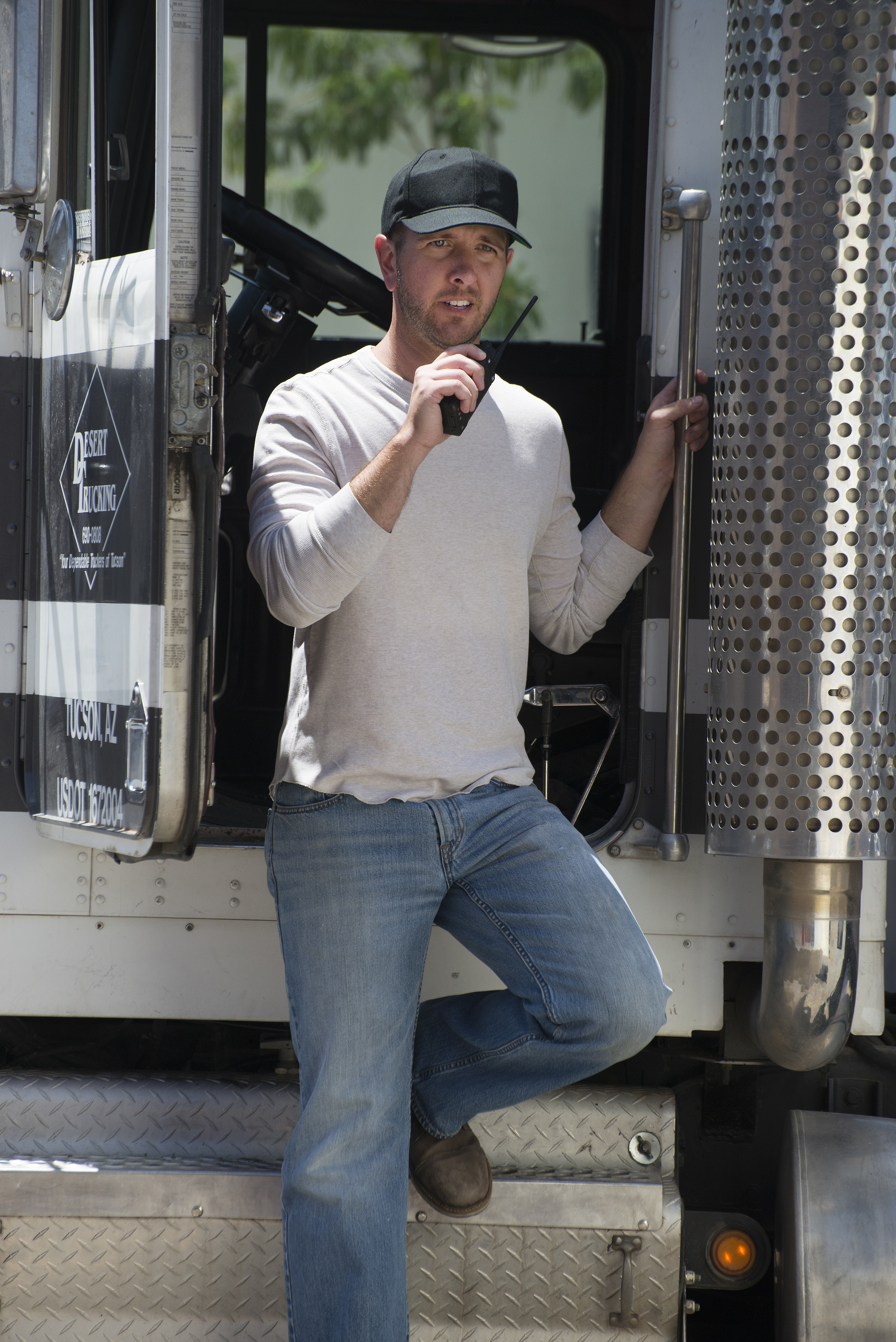
If you are building a new radio network, opening a new facility, or upgrading from consumer-grade walkie-talkies to professional equipment, we handle the entire new application process. We will assess your coverage needs, perform the necessary frequency coordination to find clean airwaves in Hawaii, and file all required paperwork to get your new call sign issued quickly.

License Renewals
FCC licenses are not permanent; they typically expire every 10 years. If you miss your renewal deadline, your license is canceled, and you lose the legal right to use your frequencies. Our FCC Licensing and Coordination team tracks your expiration dates and proactively files your renewal applications well before the deadline, ensuring your operations never suffer a lapse in compliance.
License Modifications
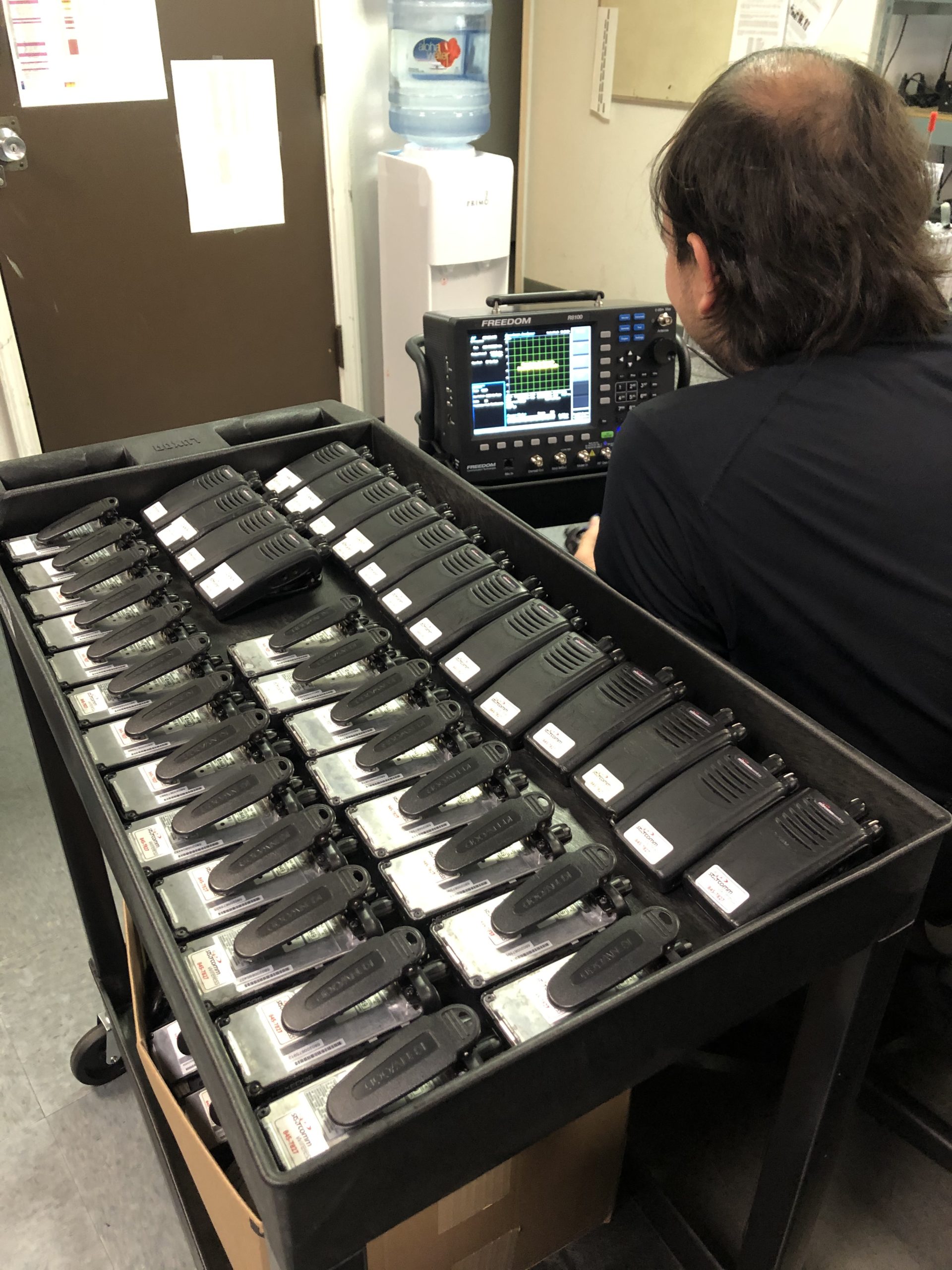
Businesses grow and change, and your FCC license must accurately reflect your current operations. If you are moving your main office, adding a new repeater antenna to a taller building, increasing your transmission power, or significantly expanding the number of radios in your fleet, you are legally required to modify your license. We handle all technical modifications to ensure your legal documentation matches your physical reality.
The FCC Licensing and Coordination Process Explained
We believe in complete transparency. While we handle all the heavy lifting, it is helpful for operations managers to understand the steps involved in securing their dedicated airwaves. Here is how our FCC Licensing and Coordination process works:
Step 1: Operational Needs Assessment
Before we file any paperwork, we analyze your exact communication needs. We determine the physical size of your coverage area (e.g., a single warehouse vs. all of Oahu), the number of radios you plan to deploy, and the transmission power required to penetrate your specific buildings.
Step 2: Certified Frequency Coordination
Using the data from our assessment, we work with certified frequency coordinators. They perform complex RF (Radio Frequency) engineering studies to scan the local Hawaiian airwaves. They map out existing license holders in your area to identify a clean, unoccupied frequency block that can support your operational needs without causing interference.
Step 3: Application Filing and Tracking
Once the frequency is coordinated, our FCC Licensing and Coordination team drafts and submits the highly detailed Form 601 application to the FCC. We act as your primary point of contact, tracking the application through the federal system and responding to any technical inquiries the FCC might have during their review period.
Step 4: Call Sign Issuance and Programming
Once the FCC approves the application, they will issue your official Call Sign and operating parameters. We immediately take this official data and program your new frequencies directly into your radio hardware and repeaters, ensuring your equipment operates exactly within your legal boundaries.
Why Choose Starcomm for Licensing in Hawaii?
Radio waves behave differently depending on the geographic terrain. The dense urban high-rises of Honolulu, the deep valleys of the neighbor islands, and the surrounding ocean create a highly unique RF environment.
Performing FCC Licensing and Coordination in Hawaii requires deep local knowledge. Mainland licensing mills simply punch zip codes into a computer, often assigning frequencies that look good on paper but suffer from severe interference in the real world. Starcomm Wireless has decades of hands-on experience navigating the Hawaiian airwaves. We know which frequency bands perform best in our unique island topography, ensuring your licensed network is as reliable as it is legal.
Frequently Asked Questions
Do I need a license for my small business walkie-talkies?
It depends entirely on the power output and the frequency band. Over-the-counter FRS (Family Radio Service) radios under 1 watt do not require a license. However, if you upgrade to professional VHF, UHF, or digital radios operating over 1 watt to achieve better range and clarity, FCC Licensing and Coordination is legally required.
How long does the FCC licensing process take?
The timeline varies depending on the complexity of your network. A simple simplex license (radio-to-radio without a repeater) can often be processed in a few weeks. Complex repeater networks that require deep frequency coordination can take 60 to 90 days for federal approval.
How much does an FCC license cost?
The cost is broken down into two parts: the federal regulatory fees charged directly by the FCC, and the engineering/coordination fees required to find your frequency. Because the FCC frequently updates their fee structures and every system requires different coordination efforts, we provide custom, transparent quotes for every FCC Licensing and Coordination project.
Can I just program my radios to match my competitor's frequency?
Absolutely not. Programing your radios to broadcast on a frequency licensed to someone else is a severe violation of federal law and is highly monitored by the FCC. Doing so will result in massive fines and the confiscation of your equipment.
I lost my FCC paperwork. Can you help?
Yes. If you know you have an active license but cannot find your paperwork, our team can search the FCC Universal Licensing System database using your company name or Federal Tax ID to locate your call sign, retrieve your frequency data, and check your expiration dates.