
H-Series DMR Systems
Explore comprehensive H-Series DMR Systems, featuring industry-leading digital repeater infrastructure, advanced IP multi-site connectivity, and the incredibly powerful Trunking software.
What H-Series DMR Systems are
DMR stands for Digital Mobile Radio, an open digital radio standard designed to replace aging analog radio networks with superior audio quality, enhanced security, and advanced data capabilities. When discussing H-Series DMR Systems, we are looking at the newest, most advanced generation of this technology. This system architecture represents a massive leap forward in professional two-way communications, providing the mission-critical reliability of traditional radio with the smart, data-driven features of modern digital networks.
Unlike consumer cellular networks that can become congested during emergencies or localized outages, H-Series DMR Systems provide a dedicated, private communication infrastructure owned and controlled entirely by your organization. Utilizing advanced Time-Division Multiple-Access (TDMA) technology, these systems effectively double the capacity of your existing licensed radio frequencies, allowing two simultaneous, independent calls on a single channel. Many organizations transition to H-Series DMR Systems when they need absolute, uncompromising reliability, zero reliance on public cellular towers, and an overarching software solution that brings complex, multi-site operations into one unified command center. It is an end-to-end infrastructure upgrade that secures your operational communications for the future.
Why teams choose H-Series DMR Systems
Mission-critical operations require tools that cannot fail when the pressure is on. Upgrading your infrastructure to H-Series DMR Systems is an investment in operational resilience and command oversight. Here are the most common reasons operations managers and IT directors choose to implement this advanced digital architecture:
-
Uncompromising network reliability: In emergencies, public cellular networks often crash due to overwhelming user traffic. Voice traffic routed through H-Series DMR Systems travels on your private, dedicated radio frequencies and repeater infrastructure, ensuring that your team can always communicate when it matters most.
-
Double the frequency capacity: Because the architecture utilizes TDMA technology, it splits a single 12.5 kHz channel into two distinct time slots. This means you can have two separate conversations happening simultaneously on the exact same frequency, drastically reducing FCC licensing costs and alleviating channel congestion.
-
Crystal-clear digital audio: Analog radios suffer from static and signal degradation at the edge of their coverage zones. Digital systems include built-in error correction that actively filters out background noise—like heavy machinery or wind—and rebuilds the voice signal, delivering loud, pristine audio all the way to the very edge of the coverage footprint.
-
Seamless multi-site scaling: Growing your communication network is simple with IP Multi-Site Connect. You can link multiple local repeaters together over a standard IP network, allowing a seamless voice channel to bridge disparate locations, cities, or even states.
-
Advanced encryption and security: Eavesdropping on private analog channels is incredibly easy with off-the-shelf scanners. Modern digital infrastructure supports Advanced Encryption Standard (AES) protocols, ensuring your corporate data, security dispatches, and executive communications remain strictly confidential.
Common work scenarios for H-Series DMR Systems
This highly stable, infrastructure-driven architecture supports demanding industries that cannot tolerate downtime. Here is how H-Series DMR Systems excel in managing complex, high-stakes environments:
-
Manufacturing and heavy industry: Massive production facilities utilize the system’s noise-canceling capabilities and localized repeater strength to cut through the roar of factory floors. The dispatch center can monitor automated machine alarms integrated directly into the radio network.
-
Campus security: University police, hospital security teams, and private security firms rely on the dedicated nature of the network. If a major incident occurs, they know their communication lines will not be bogged down by civilian cellular traffic.
-
Utility companies and power grids: Operations spanning hundreds of miles utilize interconnected multi-site repeater networks. Control rooms can seamlessly manage line workers repairing remote substations, utilizing GPS features to ensure worker safety in hazardous areas.
-
Aviation and airport operations: Ground control, baggage handling, and terminal security utilize trunked digital systems to manage hundreds of users efficiently. The system automatically assigns available channels to different departments on the fly, keeping complex logistics moving without delay.
-
Large-scale hospitality and casinos: High-end resorts use the digital infrastructure to guarantee complete property coverage, from the deepest subterranean parking garages to the top-floor penthouses. The encryption features ensure that VIP guest movements and security protocols remain private.
The Core of H-Series DMR Systems
Scalable System Architectures
The true power of H-Series DMR Systems lies in their incredible flexibility and scalability. Whether you are covering a single building or networking a statewide infrastructure, the system architecture can be engineered to precisely match your capacity and coverage needs. As your operations grow, your H-Series infrastructure can seamlessly evolve through the following system topologies:
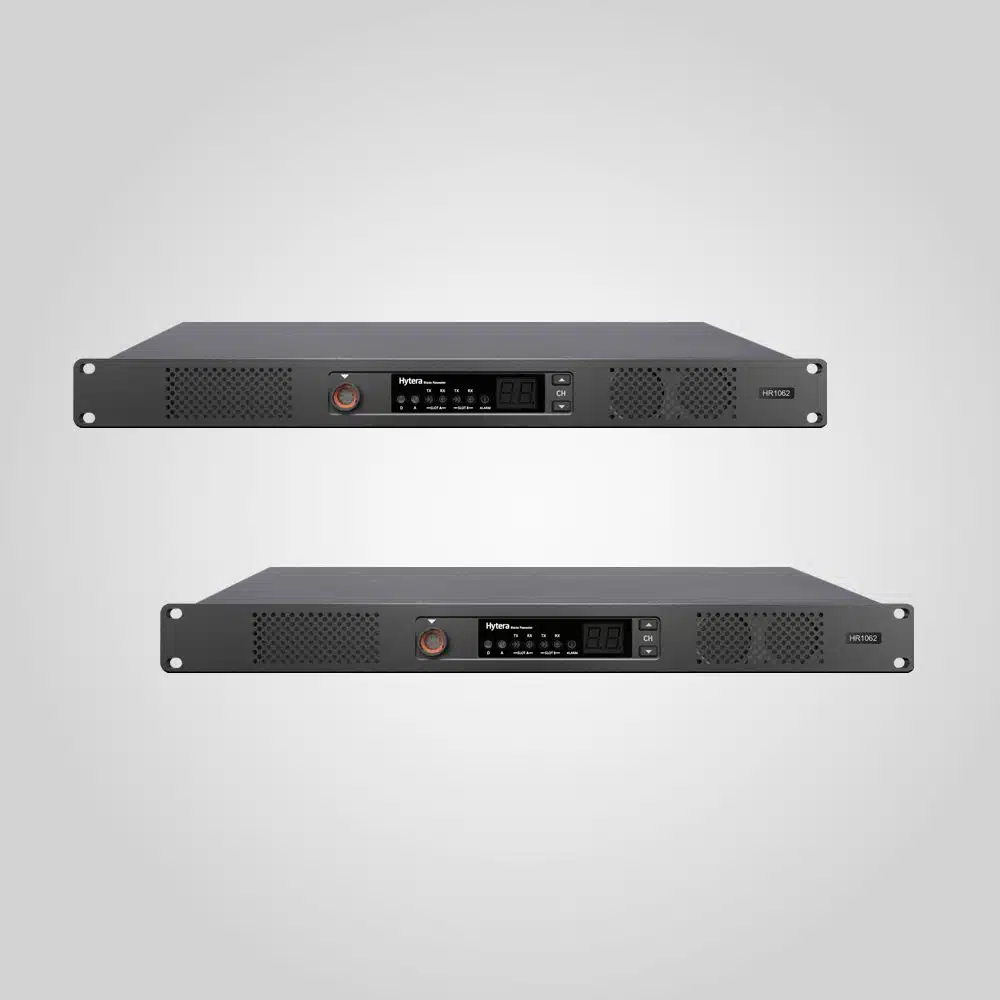
DMR Tier II Conventional
Ideal for localized operations, DMR Tier II Conventional provides a straightforward, highly reliable digital communication foundation. Operating on a single site, this architecture utilizes standard TDMA technology to split a 12.5 kHz channel into two independent time slots. This allows for two simultaneous voice or data calls on a single frequency, effectively doubling your capacity without requiring additional FCC licenses. It is the perfect solution for schools, single-site manufacturing plants, and local security teams needing crystal-clear digital voice, long battery life, and basic data services.
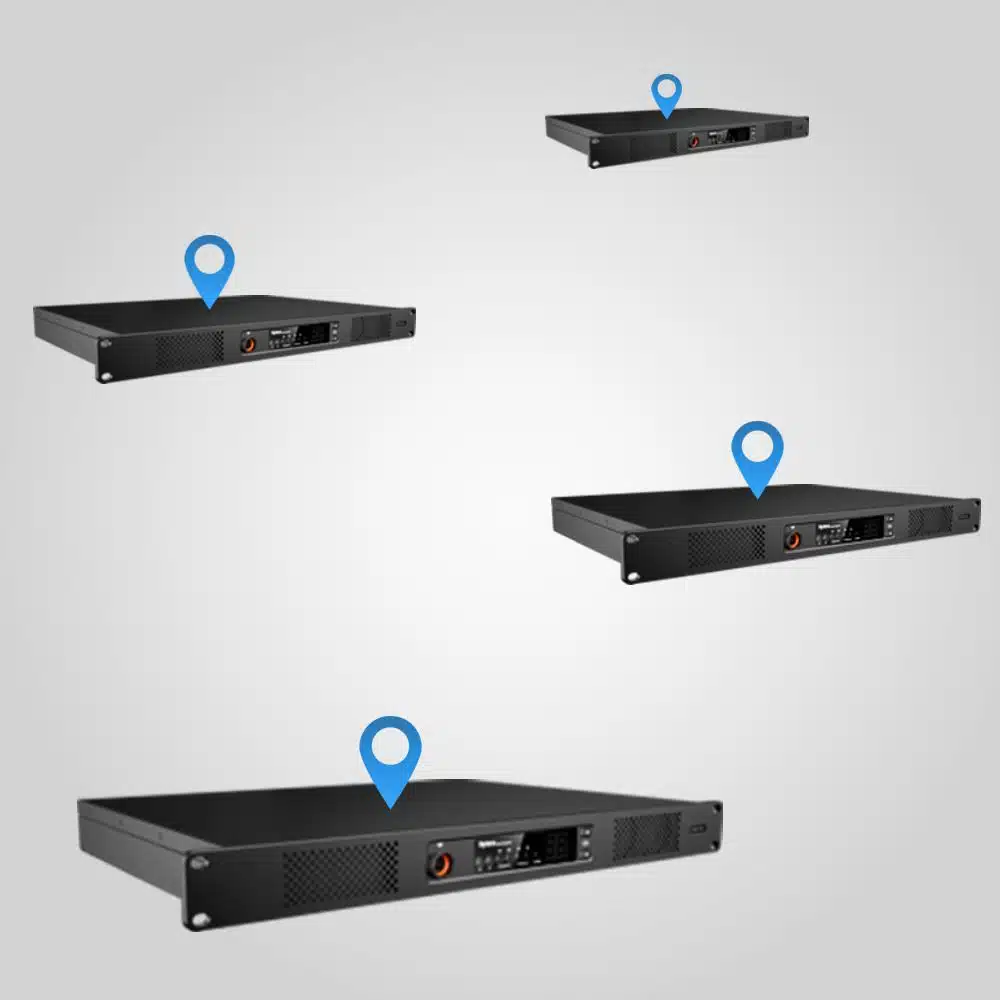
IP Connect (IP Multi-Site Connect)
When your operations expand beyond the RF footprint of a single repeater, IP Connect bridges the gap. This architecture allows you to link multiple DMR repeaters together over a standard IP network (LAN/WAN) to create a seamless, unified coverage area. Whether you need to eliminate structural dead zones in complex high-rises, cover a sprawling industrial campus, or connect branch offices across different Hawaiian islands, IP Connect ensures your team can roam freely and communicate on the same channel regardless of their physical location.
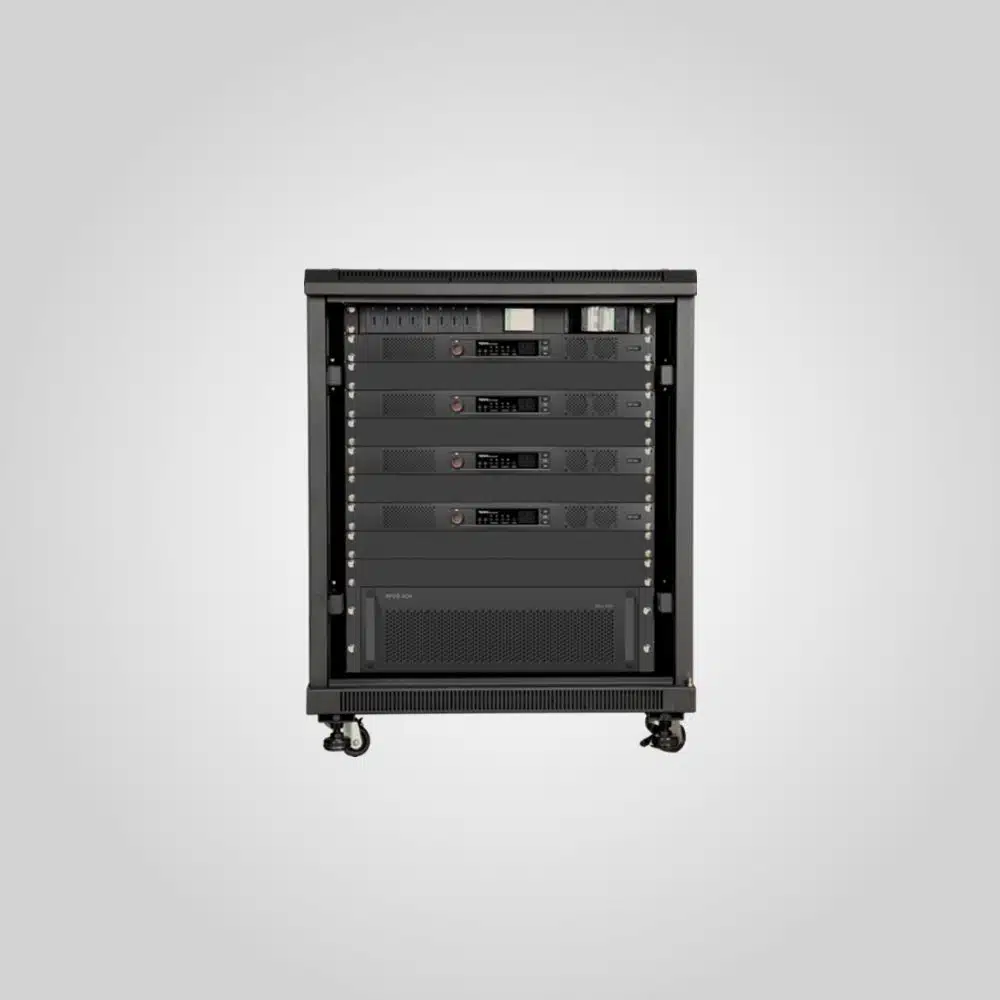
XPT Trunking (Extended Pseudo Trunking)
For growing organizations experiencing channel congestion, XPT Trunking offers a smart, cost-effective upgrade. Exclusive to Hytera, XPT logically pools multiple repeaters together at a single site (or across multiple sites) without requiring a dedicated control channel. When a user keys up, the system dynamically assigns an available channel on the fly, significantly increasing the user capacity of your existing frequencies. XPT is the ideal solution for high-traffic environments like large resorts, busy airports, or regional utility networks that need the efficiency of trunking without the complex infrastructure of a Tier III system.
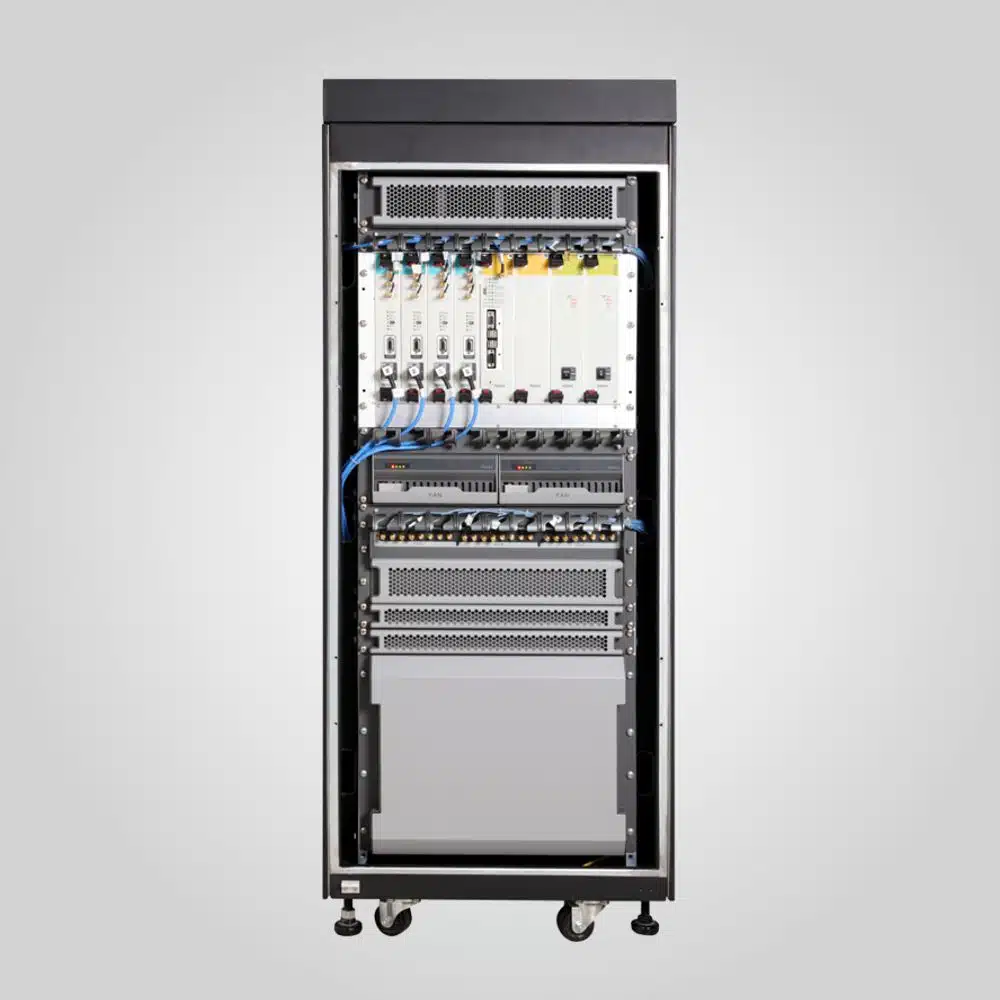
DMR Tier III Trunking
Designed for the most demanding, large-scale enterprise and public safety environments, DMR Tier III Trunking is the ultimate in high-capacity, mission-critical communications. This architecture utilizes a dedicated control channel to continuously manage hundreds of users and thousands of daily transmissions across complex, multi-site networks. It offers advanced features like prioritized emergency call routing, dynamic queue management, and comprehensive data integration. When massive scalability, absolute reliability, and centralized control are non-negotiable, Tier III Trunking delivers unparalleled performance.
How to design your H-Series DMR Systems setup
Building the right private radio infrastructure requires professional engineering and careful planning. Rather than buying hardware off the shelf, successful H-Series DMR Systems are built by analyzing traffic loads, coverage gaps, and failover requirements. Use these four critical steps to guide your system architecture.
#1: ASSESSING COVERAGE NEEDS
The foundation of your network is the repeater infrastructure. Will a single high-power repeater cover your entire facility? Or does your operation span multiple buildings, requiring an IP Multi-Site Connect topology to link several repeaters across a wide area network? Identifying structural dead zones, like concrete basements or steel-reinforced warehouses, dictates where repeater antennas must be deployed.
#2: CAPACITY AND TRAFFIC LOAD
How many people need to talk at the exact same time? For a small hotel, a conventional two-slot digital system is usually sufficient. However, for a massive airport with thousands of users, your H-Series DMR Systems will need to be configured for XPT (Extended Pseudo Trunking) or Tier III Trunking. These advanced topologies pool multiple repeaters together, automatically dynamically assigning available channels to users as they key up, ensuring no one ever gets a “busy” signal during peak hours.
#3: DISPATCH AND CONTROL REQUIREMENTS
Define the role of your command center. Do you need a single dispatcher monitoring one channel, or a complex security operations center (SOC) with multiple multi-monitor stations running SmartOne Dispatch? Your dispatch requirements will dictate the server specifications, software licensing, and necessary integrations (like telephone interconnects or automated fire alarm triggers).
#4: REDUNDANCY AND SECURITY
For critical infrastructure, single points of failure are unacceptable. System design must account for power outages and network drops. This includes specifying battery backups for repeaters, redundant IP links between sites, and configuring the exact level of AES encryption required to meet your industry’s compliance standards.
H-Series DMR Systems Service Area and Coverage
Starcomm Wireless is based in Honolulu (Kalihi) and engineers mission-critical digital radio networks for commercial and governmental clients across the Hawaiian Islands.
Because H-Series DMR Systems are highly customizable, the coverage area is exactly what you build it to be. We engineer, install, and maintain localized single-site systems for dense Waikiki resorts, as well as sprawling, multi-site interconnected networks that provide seamless digital coverage from the North Shore to Downtown Honolulu. Whatever your operational footprint demands, we provide the local engineering expertise, FCC licensing coordination, and dedicated on-island support to keep your private network running flawlessly.
Frequently Asked Questions about H-Series DMR Systems
Will this system work during a major cellular network outage?
Yes. This is the primary reason organizations invest in deploying H-Series DMR Systems. The system operates on your own dedicated, FCC-licensed radio frequencies and utilizes your own private repeater infrastructure. It is completely independent of public commercial cellular networks, guaranteeing communication during emergencies.
Can we connect our old analog radios to this new digital system?
Yes, you can transition at your own pace. The infrastructure can be configured in “mixed mode,” allowing the repeaters to automatically detect and route both legacy analog signals and new digital signals. Furthermore, the SmartOne Dispatch software can patch analog and digital channels together, ensuring zero downtime during a slow hardware migration.
How does TDMA technology save my business money?
A major financial advantage of H-Series DMR Systems is spectrum efficiency. TDMA splits one physical frequency into two digital pathways. This means you can double your workforce capacity without paying the FCC for a second frequency license, and without buying a second physical repeater to handle the load.
Do we need an internet connection for the repeaters to work?
If you are using a single-site repeater to cover one building, no internet connection is required; it operates entirely on radio waves. However, if you are using IP Multi-Site Connect to link repeaters in different cities, or if you are utilizing the SmartOne Dispatch software from a remote office, a secure IP/internet connection is required to bridge those data streams.
Can the system track where my staff is located inside a building?
While standard GPS requires a clear line of sight to satellites (making it ineffective indoors), advanced configurations of the system support Bluetooth beacons. By placing these small beacons throughout your facility, the network can track the precise indoor location of your staff on the SmartOne dispatch map, which is highly beneficial for security patrols and lone-worker safety.
What is the best first step before buying a digital system?
The best first step is a professional site walk and RF (Radio Frequency) sweep. Our engineering team needs to assess your current coverage gaps, analyze your physical environment, and map your desired communication workflows. From there, we can design a custom repeater topology and dispatch solution that perfectly fits your operations.